Kurinji Flowering Season Begins Across Munnar and the Nilgiris
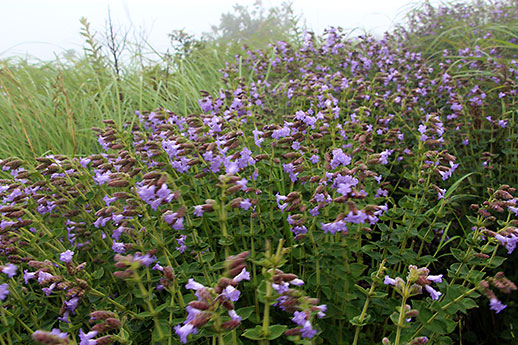
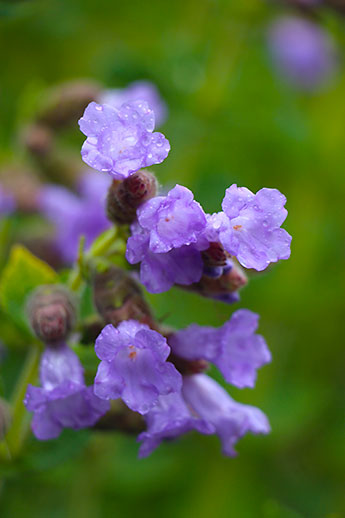
sessilis
MUNNAR/NILGIRIS, August 2026. The gregarious flowering of kurinji plants is beginning in the high ranges of Munnar and Nilgiris  south of India.

According to latest field reports, Strobilanthes sessilis has already burst into bloom near Gudalur, along the hilly stretches leading to Nadukani in the Nilgiris, alongside early sightings in pockets of Kerala’s Idukki district. Meanwhile, the high ranges of Munnar are witnessing the very beginning of the kurinji season, setting the stage for what is expected to be a breathtaking natural spectacle.

Botanical enthusiasts are now keenly awaiting September and October, the window during which the widespread blossoming of Strobilanthes kunthiana—globally renowned as the Neelakurinji—is slated to take place. The flowering is expected at places like Munnar, Lockhart Gap and some areas of Tata tea plantations in Idukki district.
Revenue, forest and tourism officials are holding meetings for organising crowd control during the flowering season.

While various species within the genus feature life cycles ranging from one to sixteen years, the iconic Neelakurinji (Strobilanthes kunthiana) is best known for its majestic 12-year blooming cycle. Thriving naturally at altitudes roughly between 1,300 and 2,400 meters within the shola-grasslands of the Western Ghats, its purplish-blue blossoms historically blanketed the Nilgiri hills—literally meaning "Blue Mountains"—transforming them into a sea of blue.

Over the decades, human settlements and commercial plantations have occupied a significant portion of the natural shola habitat. To safeguard this unique biodiversity, protective measures such as the establishment of the Kurinjimala Sanctuary across the Kottakamboor and Vattavada villages in Idukki have been enacted to ensure the long-term protection of Strobilanthes kunthiana and its surrounding ecosystem.

Deeply woven into the cultural fabric of the region, the flowering of the kurinji holds profound traditional significance for indigenous communities like the Muthuvas of Munnar and the Todas of the Nilgiris. As the season transitions toward its peak window in the coming weeks, researchers, conservationists, and nature enthusiasts anticipate a breathtaking display across the high-altitude terrain of Munnar and the Nilgiris.


More News: (Full list)
'Neelakurinji campaign aims to protect entire shola grasslands'
Subcollector to Flag Off Neelakurinji Walkathon on Oct. 1
Kurinji blooms at Kallippara near Santhanpara
Kurinji blooms again at Santhanpara in Idukki district
kurinji blooms again at Pooppara in Idukki district
Fires destroy kurinji seeds, plantations in Kurinji Sanctuary


BACK Home